

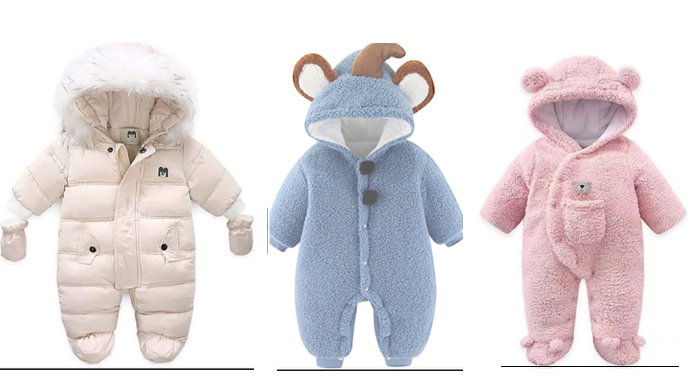
Winter brings chilly mornings, cool evenings, and a need for extra care—especially when you have a baby at home. Babies are more sensitive to cold than adults because their bodies cannot regulate temperature efficiently. This makes choosing the right baby winter wear not just a matter of fashion, but an essential part of keeping your child healthy and comfortable. Understanding what types of winter clothes are suitable, how to layer them correctly, and what materials to choose can make a big difference during the colder months.
Why Baby Winter Wear Is Important
Babies lose body heat faster than adults due to their smaller size and thinner skin. Exposure to cold temperatures can lead to discomfort, poor sleep, and even health issues like colds or hypothermia in extreme conditions. Proper winter clothing helps maintain a stable body temperature, protects delicate skin from cold winds, and ensures that babies remain cozy whether they are indoors or outdoors.
At the same time, over-dressing a baby can be risky, as it may cause overheating. This is why selecting breathable fabrics and dressing babies in layers is highly recommended.
Key Factors to Consider When Buying Baby Winter Wear
When shopping for winter clothes for babies, parents should focus on comfort, safety, and practicality rather than appearance alone.
Fabric choice is one of the most important factors. Soft, breathable, and skin-friendly materials such as cotton blends, fleece, and wool (with a cotton lining) are ideal. These fabrics provide warmth without irritating the baby’s sensitive skin.
Ease of wear is another important consideration. Clothes with front buttons, zippers, or snap closures make dressing and diaper changes easier, especially during cold nights.
Size and fit should allow free movement. Tight clothing can restrict circulation and make babies uncomfortable, while slightly loose clothing helps trap warm air and provides better insulation.
Essential Baby Winter Wear Items
A well-prepared winter wardrobe includes a variety of clothing items designed for different weather conditions and indoor temperatures.
Thermal Innerwear
Thermal vests and leggings are excellent base layers. They help retain body heat and can be worn under regular baby clothes. Choose lightweight thermals that are soft and stretchable.
Sweaters and Jackets
Baby sweaters made of wool blends or fleece are perfect for mild to moderately cold weather. For outdoor use, padded or quilted jackets provide extra protection against cold winds. Make sure jackets are not too bulky, as heavy clothing can restrict movement.
Winter Onesies and Rompers
Full-sleeve onesies or rompers are a popular choice during winter. They keep the baby’s body covered from neck to toe, reducing heat loss. Look for designs with enclosed feet for extra warmth.
Caps, Mittens, and Socks
A significant amount of body heat escapes through the head, so a warm cap is essential. Soft woolen or cotton-lined caps are best. Mittens protect tiny hands from cold air, while thick socks or booties keep feet warm.
Blankets and Swaddles
During sleep or travel, warm blankets and swaddles add an extra layer of comfort. Opt for breathable blankets that provide warmth without causing overheating.
Layering: The Right Way to Dress a Baby in Winter
Layering is the safest and most effective way to dress a baby in winter. A good rule of thumb is to dress your baby in one extra layer compared to what an adult would wear in the same environment.
Start with a soft inner layer to absorb moisture, add a warm middle layer for insulation, and finish with an outer layer to protect against wind and cold. This method allows parents to easily remove or add layers depending on temperature changes.
Always check your baby’s neck, back, or tummy to see if they are too warm or too cold. Cold hands and feet do not always indicate discomfort, but sweating or flushed skin may signal overheating.
Safety Tips for Baby Winter Clothing
While keeping babies warm is important, safety should never be compromised.
Avoid clothes with loose buttons, strings, or decorations that could pose a choking hazard. Ensure that winter clothing does not cover the baby’s face or restrict breathing. When using blankets, make sure they are tucked securely and do not cover the head during sleep.
For outdoor travel, remember that thick winter jackets should not be worn under car seat harnesses, as they can interfere with proper fitting. Instead, use thin layers and place a blanket over the harness for warmth.
Caring for Baby Winter Wear
Proper care helps maintain the softness and warmth of winter clothes. Always wash baby clothes separately using mild, fragrance-free detergents. Avoid harsh chemicals that may irritate sensitive skin. Dry clothes thoroughly before use, as damp fabric can make babies feel cold.
Regularly check clothes for wear and tear, especially woolen items, to ensure they remain safe and comfortable.
Conclusion
Baby winter wear plays a crucial role in protecting your little one from the cold while ensuring comfort and safety. By choosing the right fabrics, focusing on layering, and selecting practical designs, parents can help their babies stay warm throughout the winter season. With thoughtful clothing choices and a little extra care, winter can be a cozy and enjoyable time for both babies and parents.